
What Are Braces?

Braces were the first orthodontic method introduced to correct misaligned and crooked teeth.
In this technique, metal or ceramic brackets are attached to the teeth and connected with metal wires and rubber bands.
The orthodontist must regularly adjust the braces to gradually move the patient’s teeth into their correct positions. Traditional braces help you slowly correct dental misalignment throughout a specific period.
Lingual Braces

Lingual braces are another type of fixed metal braces that are placed behind the teeth, making them less visible.
What Is Invisalign?

Invisalign is a teeth straightening technique without using brackets and wires.
It uses a series of clear gel-like aligners to correct the teeth’ position. These aligners are transparent, making orthodontics almost invisible.
The aligners are custom-tailored to each individual via the usage of 3D imaging.
Each set of aligners should be worn for two weeks, following the instructions carefully, and removed only for eating, drinking, brushing, and flossing.
Two weeks later, this person will launch the next set of aligners. The patient gets several aligners that are used in order on each visit.

The Benefits of Braces
Traditional braces have been the standard of treatment in orthodontics for many years because they correct most dental problems and can handle even the most complex cases.
One of the biggest advantages of braces is their ability to treat severe misalignment, overbite, underbite, and other complex dental issues that may be difficult to correct with Invisalign.
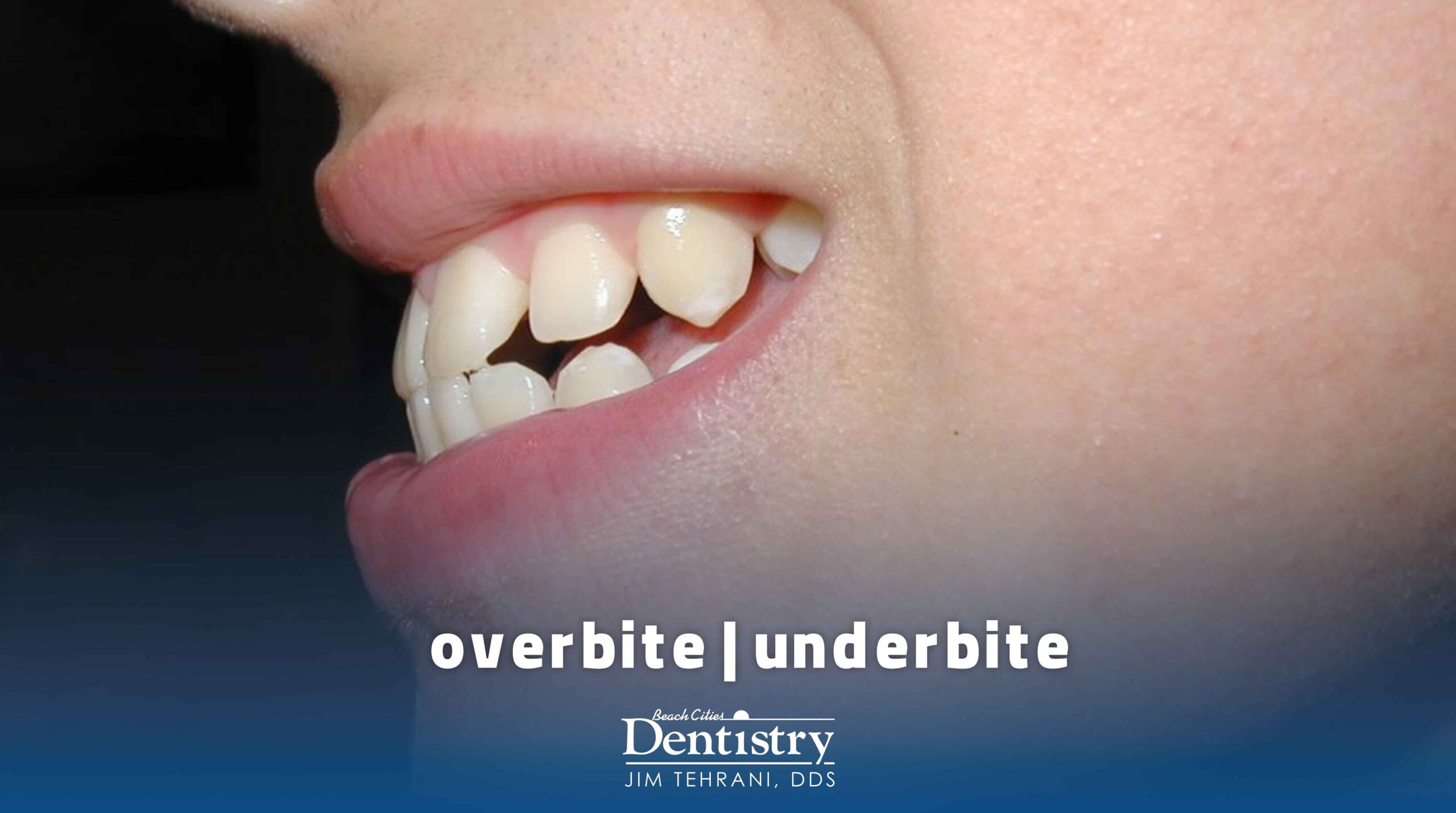
Braces are composed of metal brackets and wires that are affixed to the teeth. They are designed to apply uninterrupted pressure, progressively moving the teeth in the prescribed direction.
This makes braces especially effective for cases that require significant repositioning of teeth. Since it is non-removable, treatment will also proceed uninterruptedly.
Another advantage is that patients of all ages can use braces; in other cases, at least tooth movement control is desired in a much more precise way. The material traditionally used for making braces is metallic, though now available or available in ceramic or clear brackets to make them less visible.
Their strength and efficiency in achieving the perfect alignment have made braces a gold standard in orthodontic treatment with complex cases in which other means might fail to deliver the results.
Comparing Fixed and Removable Orthodontics
Braces have always been a successful way for people of all ages to treat their dental issues. This old method is arguably the one that still commands this market sector despite the existence of modern techniques.
These metal braces are often noticeable when speaking or smiling, making them less aesthetically appealing for many people. On the other hand, Invisalign completely relieves this problem.
The Benefits of Invisalign
The benefits of Invisalign have made it a highly popular choice for those seeking a discreet and comfortable orthodontic solution. The most obvious advantage is that Invisalign aligners are nearly invisible, which is perfect, especially for patients who want less noticeable treatments.
Invisalign provides a smooth, BPA-free plastic material for the aligners, which is gentle on gums and soft tissue and reduces the discomfort associated with metal braces.
The other most convenient feature of Invisalign is that it is removable.

- Removability will allow patients to take out their aligners while eating, drinking, brushing, and flossing, making oral hygiene more accessible and allowing more flexibility with fewer dietary restrictions.
- Patients will be able to avoid some of the food limitations of braces, like not being able to eat hard or sticky foods.
- Made to fit each patient, Invisalign clear aligners offer superior comfort and significantly reduce the chance of irritation.
- The course of treatment is also relatively shorter for cases of mild to moderate misalignment; aligners are changed every two weeks to continue moving the teeth to their ideal position.
Are clear aligners really invisible?
Not entirely – that would be impossible! Clear aligners are made of transparent medical-grade plastic that is much more difficult to detect than traditional metal braces. But they’re certainly not invisible. Chatting with a person up-close, you’d probably be able to spot that they were wearing clear aligners.
Is Invisalign Better Than Braces?
Invisalign is frequently considered an alternative to conventional braces for those needing less visible and, hence, more comfortable therapy.
They have the benefit of being invisible, which means no one will see them, and can also be easily removed and replaced, thus making them the most preferred choice apart from adults.
Braces are a better option for more severe cases because they exert the desired pressure and can correct complex misalignments.

Is Invisalign Cheaper than Braces?
NO
While many people hope Invisalign is cheaper than traditional braces, in most cases, it is not. Due to the advanced technology used to create custom aligners, Invisalign tends to be more expensive.
Is Invisalign Faster Than Braces?
Treatment Duration: The length of treatment varies based on the complexity of the case. Invisalign typically takes 8 to 10 months for mild to moderate cases, but more complex cases may take 12 to 18 months or longer.
Traditional braces, on the other hand, usually require 18 to 24 months, though severe misalignments can extend treatment beyond this timeframe.