How to Protect Your Teeth from Sugar
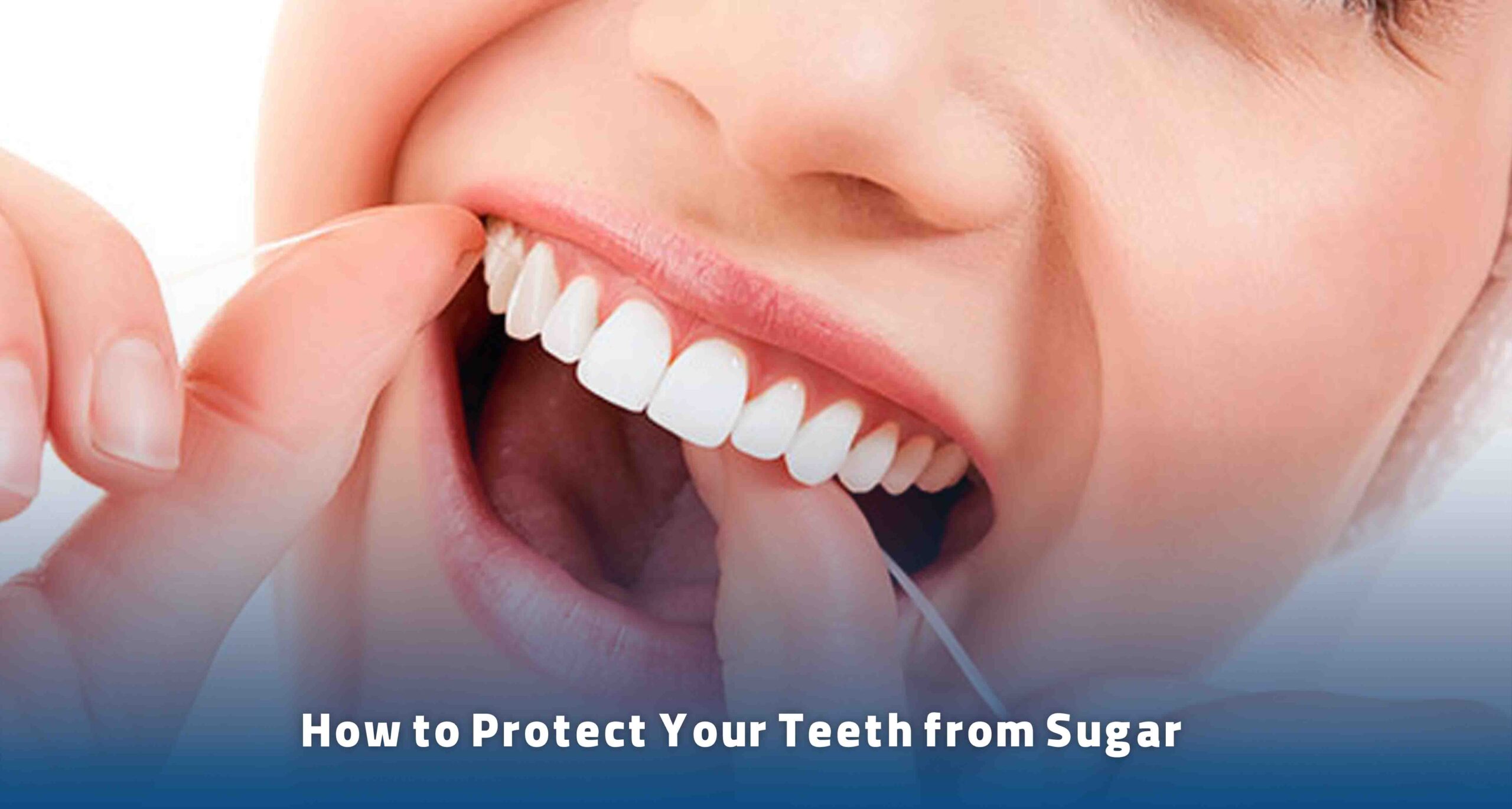
To minimize sugar-related damage, follow these essential oral care practices:
- Maintain Good Oral Hygiene: Brush twice daily with fluoride toothpaste and floss regularly to remove plaque.
- Rinse Before Brushing: Avoid brushing immediately after consuming sugary foods, as sugar temporarily softens enamel. Instead, rinse with water, wait an hour, and then brush your teeth.
- Avoid Sticky Sweets and Sugary Drinks: Beverages like sodas, energy drinks, and fruit juices are highly acidic and can accelerate enamel erosion. Opt for water or unsweetened beverages instead.
- Visit Your Dentist Regularly: Professional cleanings help remove tough plaque buildup and allow early detection of cavities and gum disease.
Why Is Sugar Harmful to Your Teeth?
 Your mouth contains both beneficial and harmful bacteria. The harmful bacteria feed on sugar and produce acids that erode enamel, creating cavities
.
Over time, this can result in tooth decay, abscesses, and even tooth loss. If sugar mixes with saliva and remains on teeth, it turns into plaque, increasing the risk of severe dental problems.
To protect your teeth, brush regularly and limit sugar intake. Developing these habits can prevent long-term oral health complications.
Which Sugary Foods and Drinks Should You Avoid?
To protect your teeth, limit the consumption of:
- Sugary Beverages: Sodas, fruit juices, and alcoholic drinks contain high sugar and acidity levels.
- Sticky Candies and Sweets: Caramel, gummies, and hard candies stick to teeth, prolonging sugar exposure.
- High-Sugar Desserts: Cakes, cookies, and pastries contribute to plaque buildup and decay.
Are Sugar Substitutes Safer for Your Teeth?
While sugar substitutes are less harmful than regular sugar, some still contain acids that can erode enamel over time. Overconsumption of artificial sweeteners may not be as damaging as sugar, but it is still advisable to use them in moderation.
How Does Sugar Affect Gum Health?
Sugar consumption promotes the growth of bacteria that cause gum disease. Over time, this leads to gum inflammation, bleeding, and infections. To protect your gums:
- Limit sugar intake
- Brush and floss daily
- Rinse your mouth with water after consuming sugary foods
The Impact of Sugar on Children’s Teeth
Children’s teeth are more vulnerable to decay because their enamel is softer than that of adults. Studies show that children often crave sugar more than adults, but excessive consumption increases their risk of cavities. Parents should:
- Limit children’s sugar intake
- Encourage regular brushing and flossing
- Schedule routine dental checkups
How to Prevent Sugar-Related Tooth Damage
To minimize the negative impact of sugar:
- Reduce Snacking: Choose healthier options like nuts or vegetables instead of sugary snacks.
- Opt for Dark Chocolate: It contains less sugar than milk chocolate and may help prevent bacteria from sticking to teeth.
- Rinse with Water: Wash away sugar residue by rinsing your mouth after consuming sweets.
- Wait Before Brushing: After eating sugary foods, wait at least 30–60 minutes before brushing to avoid damaging softened enamel.
Methods to Minimize Sugar’s Impact on Teeth
1. Saliva and pH Balance
Your saliva naturally helps rebuild enamel by neutralizing acids. It contains calcium and phosphate, which aid in tooth remineralization.
2. Fluoride Protection
Fluoride strengthens enamel and prevents decay. Brushing with fluoride toothpaste after meals helps counteract acid damage.
3. Reducing Sugar Intake
Minimizing sugar consumption supports the natural remineralization process. Less sugar allows saliva and fluoride toothpaste to work more effectively in protecting teeth.
Journal of the American Dental Association (JADA)
“Plaque bacteria consume sugar and release acids that can lead to cavities. Reducing sugar consumption helps protect teeth.”
Conclusion
Regular dental checkups and proper oral hygiene are essential in preventing sugar-related tooth damage.
While eliminating sugar entirely is unrealistic, making conscious choices can significantly reduce its harmful effects. Schedule your dental appointment today to maintain a healthy smile.