Home Remedies for Tooth Sensitivity
Home remedies and simple self-care steps can help sensitive teeth cured at home.
Follow these Initial treatments carefully to treat teeth sensitivity and prevent further damage:
Use Desensitizing Toothpaste
Desensitizing toothpaste is one of the first moves you can make if the problem is tooth sensitivity and not a more critical matter such as cavities or fractures.
Desensitizing toothpaste contains ingredients that block nerve responses to reduce sensitivity.

Many desensitizing toothpastes contain potassium nitrate, which acts on the tooth’s nerve to prevent pain signals from transmitting to the brain. Other toothpaste ingredients include fluoride, which reduces sensitivity by strengthening enamel and blocking the dentinal tubules.
Desensitizing toothpastes often contain specific compounds that block nerve sensations, reducing sensitivity. After using these toothpastes a few times, your teeth’s sensitivity will decrease.
You can put toothpaste directly on sensitive teeth to reduce the pain and symptoms of tooth sensitivity to cold.
Avoid Abrasive Toothbrushes
You may feel that a hard toothbrush makes your teeth cleaner, but this type of toothbrush wears away the enamel (enamel protects the nerves of the tooth). In addition, brushing aggressively can lead to receding gums, which exposes the teeth to more stimuli. Using a soft toothbrush protects tooth enamel and gums.
Another point you should be aware of is the toothbrush’s lifespan. Experts recommend replacing your toothbrush when the bristles break off (probably every three to four months). An electric toothbrush can also be a good option for cleaning teeth better.
Fluoride Mouthwash
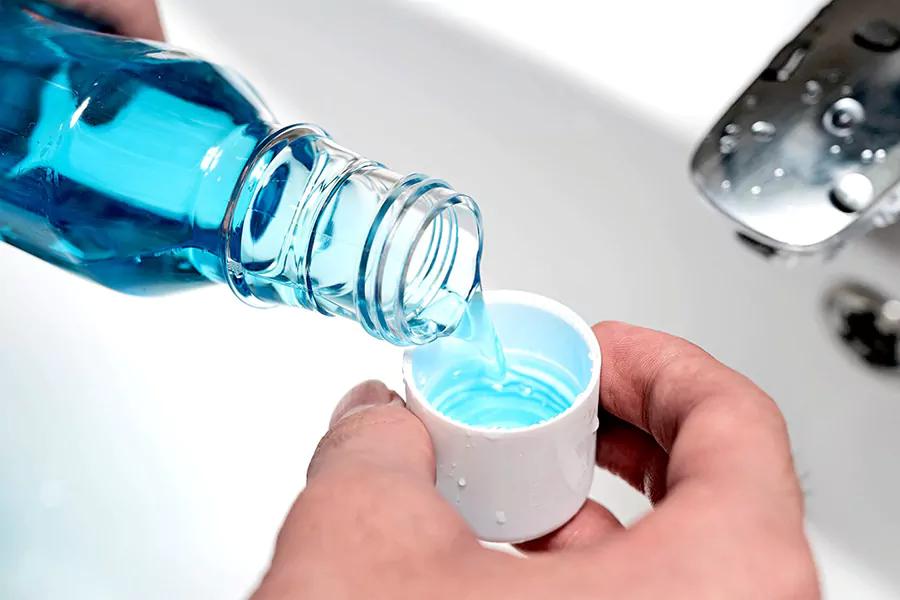
Use any toothpaste you use, whether regular or hypoallergenic. Look for products that contain fluoride. Fluoride is an essential mineral that strengthens tooth enamel and prevents tooth decay. As a result, the root and nerves of the tooth are protected, and the sensitivity of the teeth is reduced.
Nowadays, most toothpaste and mouthwash contain fluoride. If you visit the dentist regularly, he will recommend fluoride therapy, which is more effective than over-the-counter fluoride products.
Prescription fluoride supplements are also available in pill or drop form. However, experts recommend them only for children ages 6 months to 16 years who do not have access to enough fluoride in drinking water and are also prone to tooth decay. Talk to your dentist about whether you need such products.
Modify your Brushing Method
If you apply too much pressure on the teeth while brushing, especially if your toothbrush is not soft, the gum tissue around the teeth is destroyed. While the upper parts of the teeth do not have nerve endings, the parts below the gums do, and receding gums expose these areas. Instead of brushing back and forth over the teeth, clean them slowly and in a circular motion.
Even if you brush your teeth properly, you should use dental floss. Flossing helps maintain the health of teeth and gums by removing food that remains between the teeth. Note that your dental floss should be selected for sensitive teeth.
Dietary Changes
Reduce Consumption of Acidic Foods and Drinks
Acidic foods and drinks may also contribute to tooth sensitivity as they erode tooth enamel.
What foods are considered acidic?
Things with a sour taste, such as limes, other citrus fruits, and tomatoes, are considered acidic. Carbonated drinks (regular and diet), like tea and coffee, are full of acid.
Certain diseases, including acid reflux, anorexia (anorexia nervosa), and bulimia (bulimia), can also increase acid levels in the mouth. It would help to be careful with acid-containing mouthwashes because they can aggravate sensitivity. According to dentists, limiting acidic items helps treat tooth decay.
Limit the consumption of cold and dry foods and avoid biting on cold and icy foods such as ice cream.
Other Recommendations :
Mouthwash for sensitive teeth pain relief:
Rinse with Salt Water
Treatment of tooth sensitivity with salt water

Nerve irritation and inflammation cause tooth sensitivity. Salt is antiseptic and can help reduce inflammation. To reduce the pain and inflammation of sensitive teeth:
- Add one-half to three-quarter teaspoons of salt to a glass of warm water and stir well.
- Rinse your mouth with the solution for 30 seconds, then spit it out.
- Rinse with salt water twice a day.
Try Hydrogen Peroxide
Be careful when using hydrogen peroxide. A high concentration (more than 3%) can damage tooth enamel.
Hydrogen peroxide is commonly used as a mild antiseptic for minor cuts, burns, and other wounds and prevents infection. Like salt water, this substance reduces inflammation, heals gums, and treats tooth sensitivity. To use hydrogen peroxide as a mouth rinse:
- Mix two tablespoons of 3% hydrogen peroxide with two tablespoons of warm water.
- Swish the solution in your mouth for 30 seconds, and then spit it out.
- Rinse your mouth with water to remove any remaining hydrogen peroxide.
Rinse your Mouth with Green Tea
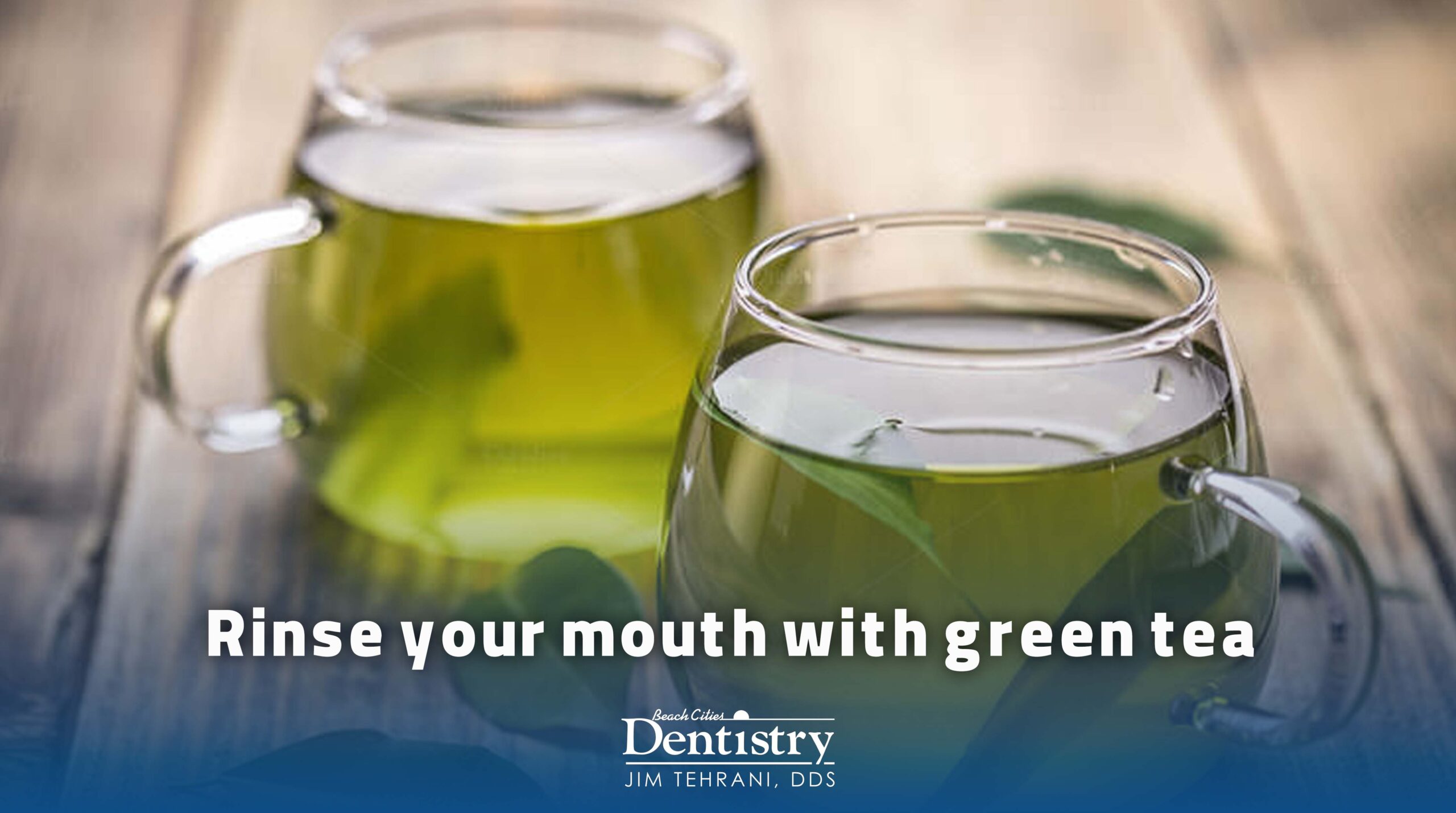
Green tea has become very popular due to its many health benefits. Its antioxidant and anti-inflammatory properties prevent cancer and improve cardiovascular health.
Green tea can also help reduce sensitivity. To soothe sensitive teeth, use unsweetened green tea as a mouthwash twice daily to reduce inflammation.
Get Help from Turmeric
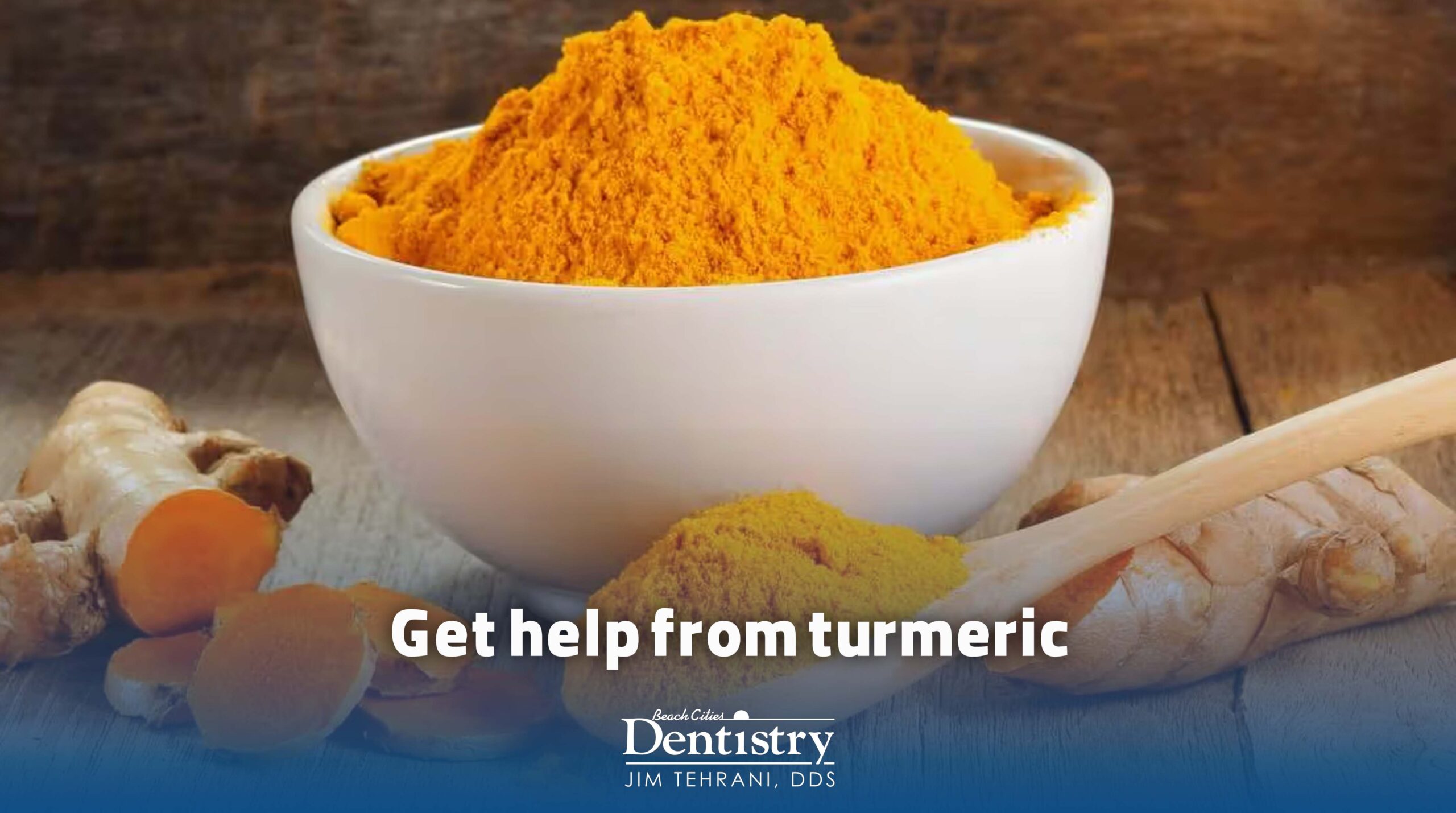
Turmeric has an anti-inflammatory effect due to the presence of curcumin, which can relieve tooth sensitivity. You can massage turmeric powder on your teeth to maintain oral and dental health and soothe sensitive teeth.
Another solution is to mix a teaspoon of turmeric, half a teaspoon of salt, and half a teaspoon of mustard oil and apply the resulting paste on the teeth and gums twice daily.
Ginger, like turmeric, has anti-inflammatory properties and can treat tooth sensitivity. Apply ginger powder directly to the affected area if you have tooth sensitivity.
Use Garlic
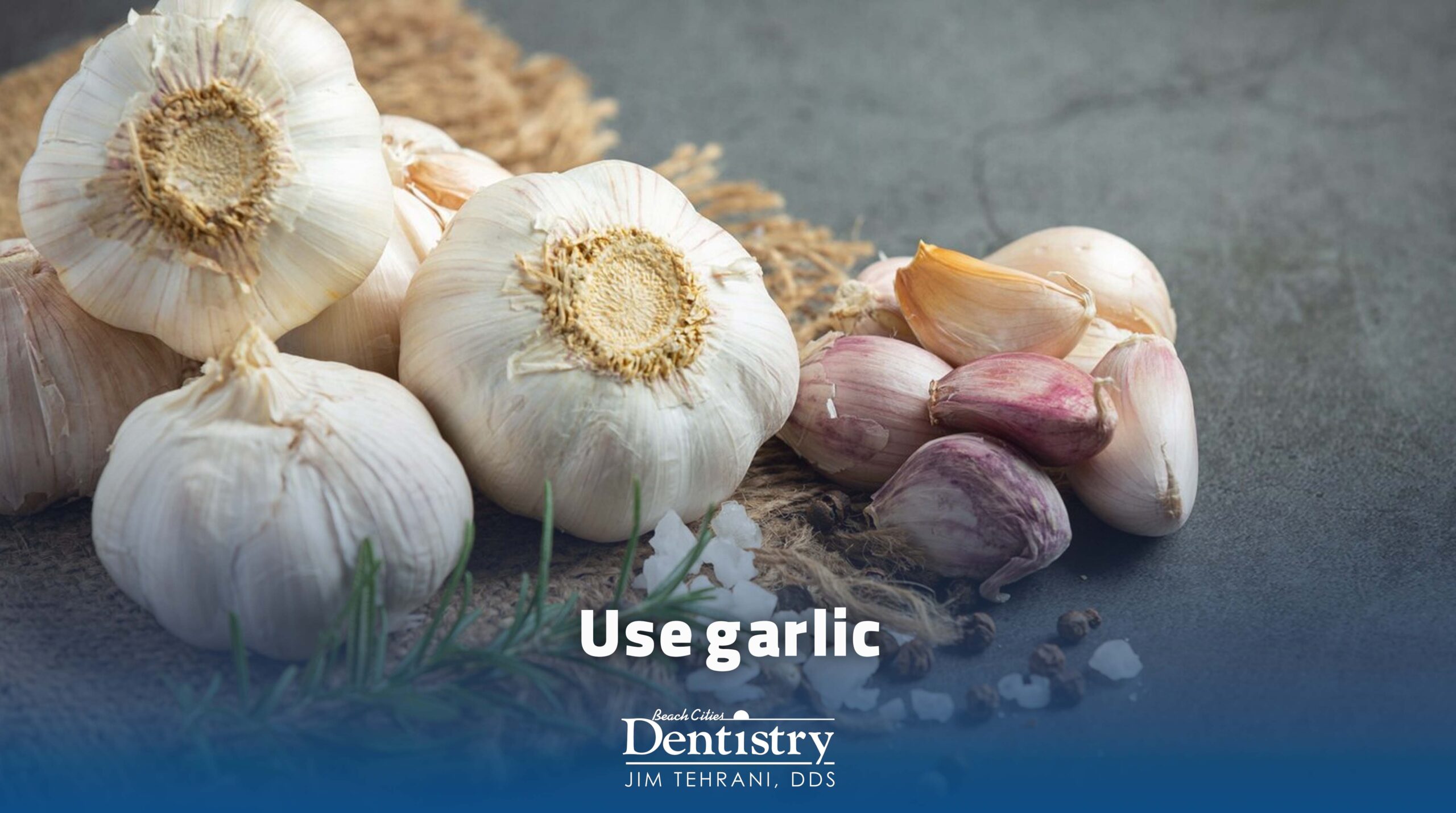
Garlic is another food item that, due to its allicin content, destroys bacteria and relieves the pain of sensitive teeth. To benefit from the properties of garlic, you can put a slice of it on your teeth.
Be Careful when using Bleaching Products.
While fluoride products treat tooth sensitivity, bleaches can do the opposite. This includes toothpaste containing baking soda and peroxide. This advice doesn’t mean you can’t use whitening technology if you have sensitive teeth; it just means you may have to follow a different method. It would help to reduce the sensitivity first and then move on to whitening products.
How to Treat Sensitive Teeth?
In addition to home methods, the following solutions also help to prevent and treat tooth sensitivity:
Visit the Dentist Regularly
You can often tell the difference between tooth sensitivity and pain from decay or other problems.
- Sensitivity affects all or many teeth, while decay is more localized.
- Tooth sensitivity is usually a short, sharp pain, unlike a nagging toothache that wakes you up mid-night.
- The pain and discomfort caused by sensitive teeth start with a stimulus such as cold or hot temperature or brushing.
However, there are other reasons for toothache that you may confuse with sensitivity. For this reason, it is recommended that you visit the dentist regularly. At Beach Cities Dentistry in Manhattan Beach, CA, new patients can benefit from our special rate of only $79 for a complete dental exam and X-rays, providing excellent value for quality care.
Professional Sensitive Teeth Cure Methods
If your teeth’s sensitivity to cold food and drinks does not improve after a week, you should see a dentist and have an examination. After examining your teeth, the dentist will recommend the best method for treating cold-sensitive teeth.
When sensitivity persists, professional care offers more lasting relief:
Use of fluoride gel (fluoride therapy):
The dentist may recommend fluoride treatment to strengthen the teeth and remove sensitivity. Fluoride strengthens tooth enamel. It may be administered in various ways, such as toothpaste, gel, tri, mouthwash, or orally.
Dental Bonding (Crown) :
Sometimes, when the cause of tooth tingling is exposure to tooth roots, it is possible to remove the tooth sensitivity by using composite resin topically on the sensitive and protruding roots of the tooth.
In the bonding or crown method, a layer of composite resin is applied to the tooth and covers its surface to eliminate sensitivity.Root Canal Therapy:
The dentist may recommend removing the nerve if there is severe tooth sensitivity or pain. This procedure involves eliminating the tooth’s pulp, which contains the nerves and blood vessels, thus relieving the pain of sensitive teeth.
Surgical Gum Grafts:
Gum transplant surgery is performed to address exposed tooth roots and gum recession.
This method removes a small piece of soft tissue from another part of the mouth and transplants it to the desired location. This protects the tooth’s protruding roots and treats tooth sensitivity.Sealant therapy
If the loss of the roots’ protective covering has caused this condition, fissure sealant therapy is a suitable method to treat tooth sensitivity.
To cure tooth sensitivity, the dentist sticks a small piece of transparent plastic to the area of the tooth where the enamel has worn away so that external stimuli do not directly affect the sensitive tooth.Use of a Night Guard
If teeth grinding has caused this sensitivity, your dentist will recommend using a night guard.
For this, a mold of your teeth is taken first, and a custom-made guard is created in the laboratory.
The night guard prevents dental pressure and helps improve this condition.
Our dentists at Beach City Dentistry in Manhattan Beach, with examination and review of oral and dental health status, can diagnose the cause of dental sensitivity and perform appropriate treatment actions to resolve it.
FAQ