
Dental Procedures During Pregnancy

Dental Procedures During Pregnancy
Picture of Jim Tehrani, DDS

Jim Tehrani, DDS

[last_updated]

Pregnant women are not immune to gum disease and tooth decay. The hormonal changes that occur in the body during pregnancy can exacerbate these problems.

During this period, the gums may become sensitive, which can lead to inflammation and bleeding. Problems may also arise due to the accumulation of plaque around the teeth.

Pregnancy itself does not directly cause damage to the teeth. However, some dental issues may increase in some women due to the specific adjustments that the body makes due to pregnancy and dental choices. These problems can be managed with proper oral hygiene and professional dental care.

Taking care of your oral health during pregnancy is especially important. However, many pregnant women are concerned about the safety of dental procedures during this period. 

In this article, we take a closer look at dental procedures to avoid during pregnancy and important tips for maintaining oral health during this sensitive period.

Table of Contents

Importance of Oral Health During Pregnancy
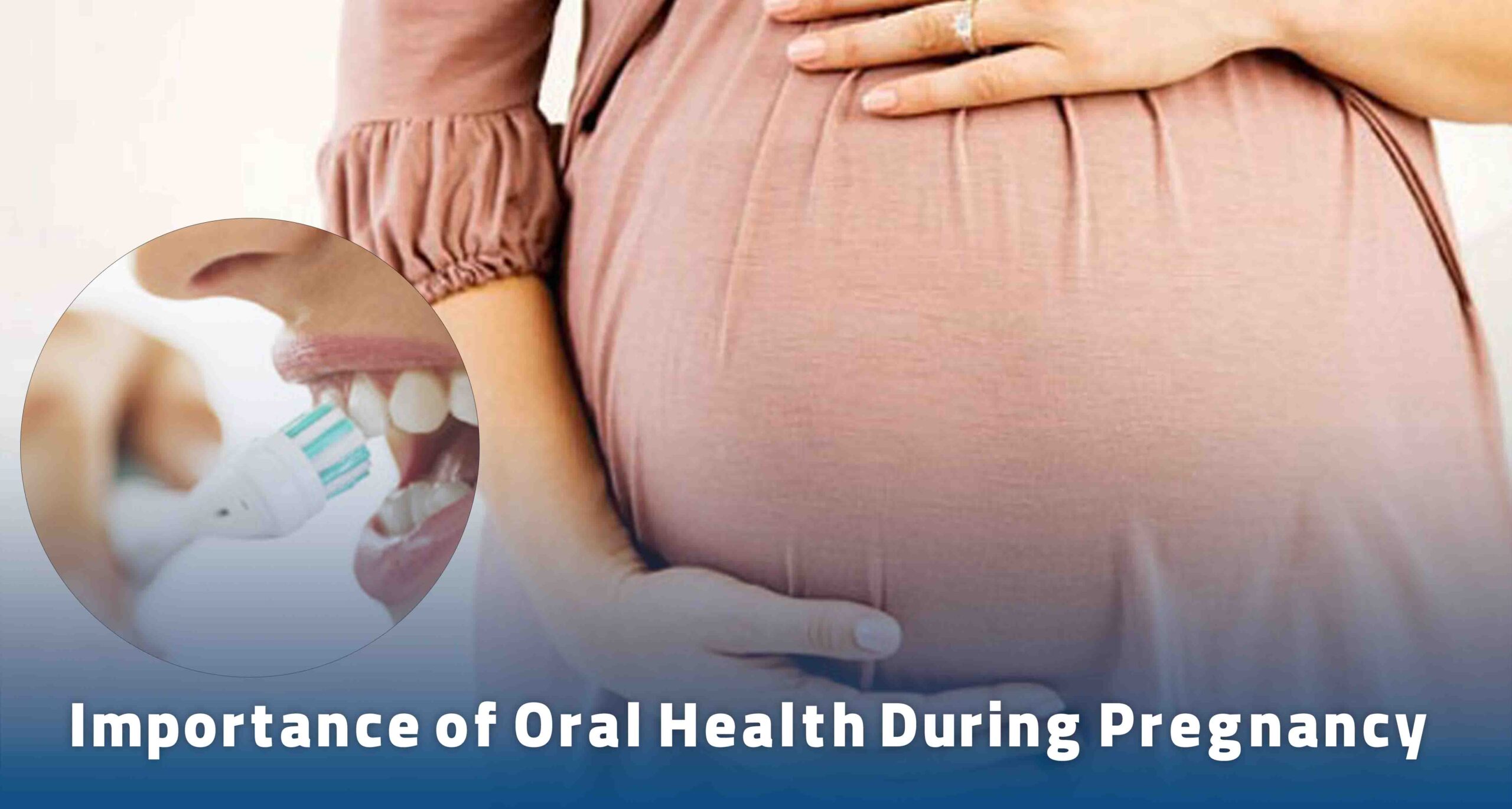
Importance of Oral Health During Pregnancy

Maintaining good oral health is crucial for the well-being of both the mother and the fetus. Research has shown that gum disease can increase the risk of premature birth and low birth weight in the baby. Therefore, proper oral care is essential during this period.

“Maintaining good oral health is crucial during pregnancy, as periodontal disease has been linked to adverse pregnancy outcomes, including preterm birth and low birth weight.”

Centers for Disease Control and Prevention (CDC)

Physiological Changes in the Mouth During Pregnancy

Pregnancy triggers significant hormonal changes that can impact oral health. These changes include:

  • Increased risk of gum inflammation (gestational gingivitis)
  • Increased likelihood of tooth decay
  • Changes in saliva pH

Dental Care Before Pregnancy

Maintaining oral health during pregnancy is very important. If you take care of your teeth and gums before pregnancy, you are less likely to need a dentist during pregnancy. 

To stay healthy through the nine months of pregnancy, it is best to do the following:

  • Brush your teeth at least twice a day with fluoride toothpaste.
  • Floss your teeth once a day.
  • Eat a healthy diet and limit sugary foods and drinks, such as soda and fast food.
  • Avoid tobacco products, smoking, and alcohol.
  • Visit your dentist every 6 to 12 months. If you are planning to become pregnant, schedule a dental checkup to discuss treatments that can be completed beforehand. 

Pregnancy and Dental Work

Dental Services Explanation for Pregnancy Period
Dental Examinations Safe and recommended throughout pregnancy
Dental Cleaning and Scaling Safe and recommended, especially for preventing gum diseases
Dental Fillings Safe, preferably done in the second trimester
Root Canal Treatment Safe if necessary, preferably done in the second trimester
Tooth Extraction Safe in emergency cases, better to postpone until after delivery
Dental X-rays Safe with proper protection, but unnecessary cases should be avoided
Teeth Whitening Recommended to postpone until after delivery
Dental Veneers Considered cosmetic treatment, should be postponed until after delivery
Orthodontics (Braces and Invisalign) Continuing existing treatment is safe, but starting new treatment is not recommended
Dental Implants Better to postpone until after delivery
Gum Disease Treatment Non-surgical treatments are safe, complex surgeries should be postponed
Fluoride Treatment Safe and beneficial for preventing tooth decay
Local Anesthesia Can be used with caution when necessary
Dental Sedation Not recommended except in absolutely necessary cases and with doctor consultation
Dentures Adjusting and using existing dentures is safe
Dental Bridge Safe if necessary, better to be done in the second trimester
Fissure Sealant Safe and beneficial for preventing tooth decay

“Routine dental care, including cleanings and fillings, is safe during pregnancy. Necessary procedures, such as root canals, can also be performed to treat infections that could harm both the mother and baby.” American College of Obstetricians and Gynecologists (ACOG)

Dental Procedures to Avoid During Pregnancy

What dental procedures should be avoided during pregnancy?

  1. Elective and Non-Essential Treatments
    Elective and non-essential dental procedures should be postponed until after delivery. These include:
    • Cosmetic dental treatments
    • Teeth whitening
    • Smile correction
  2. Procedures in the First Trimester and Late Third Trimester
    It is recommended to avoid dental procedures during these periods, except in cases of emergency. The reasons for this advice are:
    • Increased risk of miscarriage in the first trimester
    • Possibility of induction of labor in late pregnancy
  3. Use of Certain Medications
    Some medications are prohibited or restricted during pregnancy:
    • Certain antibiotics, such as tetracyclines
    • Some nonsteroidal anti-inflammatory drugs (NSAIDs)
  4. Dental Sedation
    Dentistry under sedation is not usually recommended during pregnancy, except in cases of absolute necessity and consultation with an obstetrician-gynecologist.
  5. Unnecessary X-Rays
    Although dental X-rays are safe and adequately protected, unnecessary radiographs should be avoided, especially in the first trimester.
  6. Prolonged Procedures in the Third Trimester
    In the third trimester, prolonged dental procedures should be avoided because:
    • They can be uncomfortable for the mother
    • Increase the risk of supine hypotension syndrome
  7. Use of Local Anesthetics with High Concentrations of Epinephrine
    The use of local anesthetics with high concentrations of epinephrine should be avoided because it can affect uterine blood flow.

Safe Dental Procedures During Pregnancy

Despite the limitations mentioned, many dental procedures are safe during pregnancy:

  • Preventive examinations
  • Dental scaling and cleaning
  • Fillings
  • Root canal treatment, if necessary
  • Emergency tooth extraction

The Safest Period for Dental Procedures During Pregnancy

The second trimester (weeks 14 to 26) is the safest period for necessary dental procedures. During this period:

  • The risk of miscarriage is reduced
  • The fetus has not yet grown to the point where it will interfere with the mother’s comfort in the dental chair.

Essential Tips for Oral and Dental Care During Pregnancy

“Pregnant women should continue to receive regular dental checkups during pregnancy to maintain oral health and prevent potential complications.”
American Dental Association (ADA)

  • Maintain oral and dental hygiene by brushing and flossing regularly.
  • Regularly visiting the dentist for preventive checkups.
  • Inform the dentist about your pregnancy before any dental procedure.
  • Consulting with an obstetrician and gynecologist before undergoing specific dental procedures.
  • Proper and balanced nutrition to promote oral and dental health.

Conclusion

Oral and dental health care during pregnancy should not be neglected. By following safety tips and consulting with specialists, the oral and dental health of the mother and fetus can be ensured.

Close cooperation between the dentist and obstetrician is essential to ensure the safety of the mother and fetus during dental treatments.


Sources

Centers for Disease Control and Prevention (CDC)

American Dental Association (ADA)

https://www.acog.org/womens-health/faqs/oral-health-care-during-pregnancy-and-throughout-a-womans-lifetime

https://www.health.harvard.edu

Complimentary Consultation
Book Your Appointment Today!

At Beach Cities Dentistry, our talented and experienced dental professionals work together to provide top-quality care for our patients.

Meet Our Top-Notch Doctor

Jim Tehrani, DDS​

– USC graduate (1997)

– Invisalign I/II certified

– Laser dentistry certified

– Member of ADA, CDA, Western Dental Society

Complimentary Consultation

Book Your Appointment

Leave a Comment

Your email address will not be published. Required fields are marked *

Scroll to Top