
What is Tooth Enamel?

Tooth enamel is the hard outer layer of your teeth that shields the softer inner layers of the tooth and is the defense system for the tooth.
Beneath the enamel lies the dentin, which contains tiny tubules that allow signals like heat or cold to reach the tooth’s nerve, the pulp. The inner part of the tooth, known as the pulp, is a soft tissue that supports tooth development and provides nutrients.
If the enamel is very much weakened, your tooth will lose its defense system and the capacity to resist decay and sensitivity and might get discolored. Moreover, you possess a higher risk for fractures in any given condition.
Foods to Avoid with Sensitive Teeth
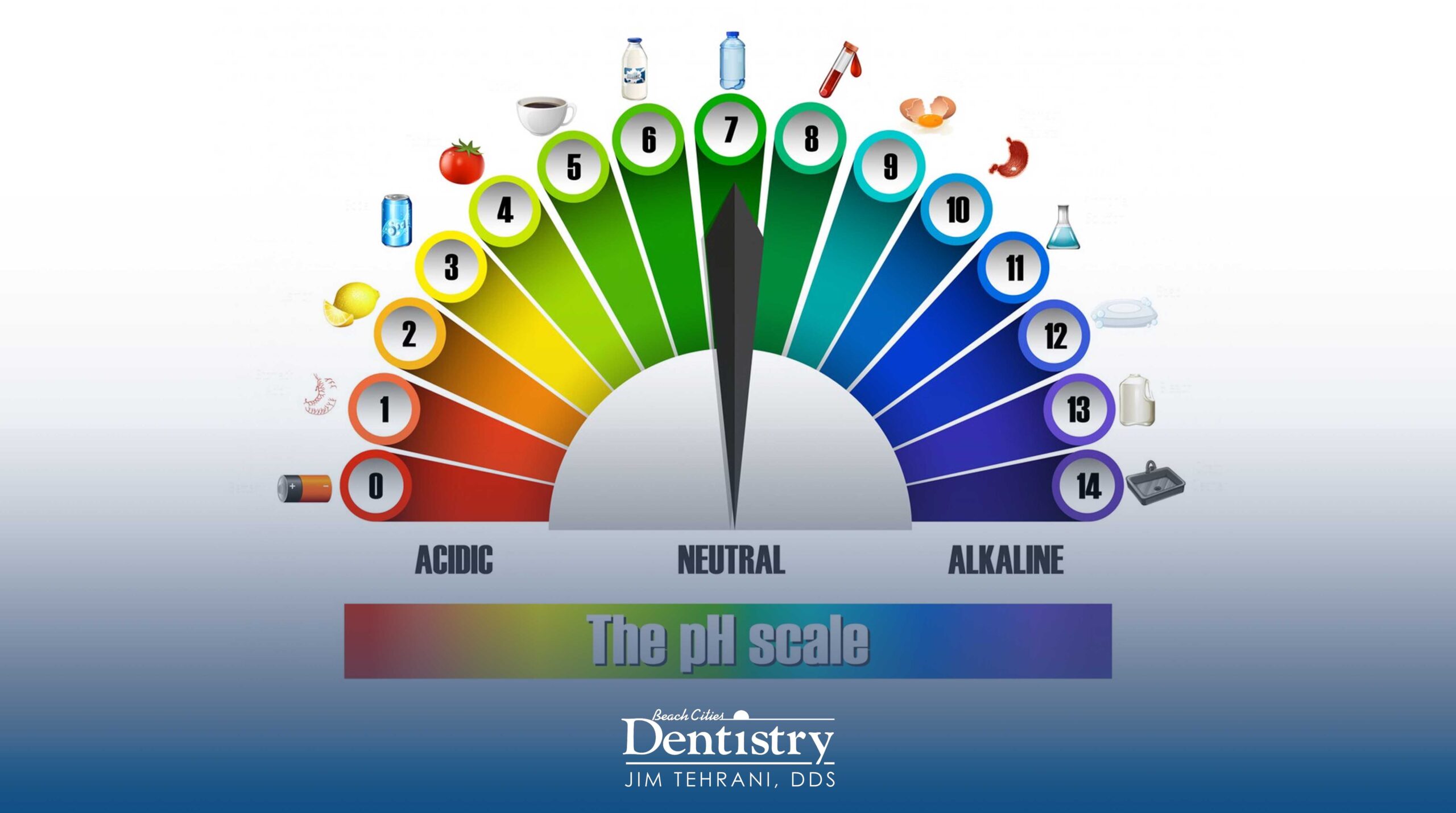
Citrus fruits, tomatoes, yogurt, sour cream, pickles, and carbonated beverages form the most acidification in your body.
Foods causing tooth irritation
- Tomatoes: Although tomatoes are a good source of vitamins, especially vitamin C, they also have a high level of acid, so if you have sensitive teeth, avoid eating tomatoes seriously. Be aware that both tomato sauces and raw tomatoes can cause tooth sensitivity.
- Acidic Fruits: Pineapples, grapefruits, lemons, and all acidic fruits can increase tooth sensitivity. These substances cover and damage the enamel of the teeth. Remember that the fruit and its juices have similar effects and can cause pain or tooth sensitivity.
- Candies: Sticky candies like taffy, caramel, and bubble gum can be especially harmful for people with sensitive teeth, as they are high in sugar and tend to cling to the tooth surface.
- Ice Cream: Ice cream is not only cold but also causes an increase in tooth sensitivity due to its sugar content. For people with sensitive teeth, the lack of tooth enamel causes these sensitivities.
- Salt: Salt is one of the foods to avoid with sensitive teeth. Although not acidic, salt can still irritate sensitive teeth and should be consumed in moderation.
How to Enjoy Acidic Foods without Sensitivity?

Use fluoride toothpaste specifically designed for sensitive teeth.
Avoid abrasive or acidic formulas.
There are various desensitizing toothpastes available for treating sensitivity.
These toothpastes often provide noticeable relief after a few uses.
Using a soft-bristled toothbrush can also help.
To maintain good oral health, brush and floss gently and effectively.
Brushing too hard is unnecessary and harmful.
Aggressive brushing wears down tooth enamel and creates sensitive areas.